Redefining the partner experience (PX)

An end-to-end inventory management app
$2.9M
yearly total savings
$2.1M
yearly licensing fees savings
15H+
hours freed for associates
$890K
hourly labor savings


scroll down
Redefining an associate experience that saved
$2.9 million annually
Petco’s redesigned physical inventory tool transformed a complex and time-consuming retail process into a streamlined, user-centric experience. Used across stores in the US, Mexico, and Puerto Rico, the tool empowers associates to efficiently scan and account for thousands of stock items during annual audits. By reducing friction, improving accuracy, and optimizing workflows, this initiative not only enhanced partner productivity but also generated $2.9 million in yearly savings.
Role
Sr. Product Designer
Industry
Retail
Length
9 months
Team

Aboutthisproject
Myrole
Senior Product Designer (end-to-end ownership). I led discovery, research, system thinking, workshops, user flows, prototyping and visual design, working with PMs, engineers, stakeholders and two designers in a cross-functional team of 10+ people.

Understandingthestartingpoint
Business problem
Extremely high annual licensing cost for a low- frequency process
High adoption and strong qualitative feedback Reduced operational friction and manual labor
Business problem
Constraints & reality



The actual requirement for this was to build a dashboard based on a template and use that to build a new system so we could get rid of the third-party system. What you’re about to see is the process we followed and the decisions we took.
Theprocess
01
Looking
02
Understanding
03
Making
01 - Looking
TheresearchProductDesignpushedfor


The worst part about the process is essentially you have to do it twice, once on paper & then again entering it into the computer.
"
General Manager
"
I think 80% of the time we’re just hunting for stickers.
General manager
After running the research and creating our user persona, we discovered what the user goal was: Having a smooth inventory so they could go home as quick as possible.
02 - Understanding
WhatProductDesignanalyzedinconjunction

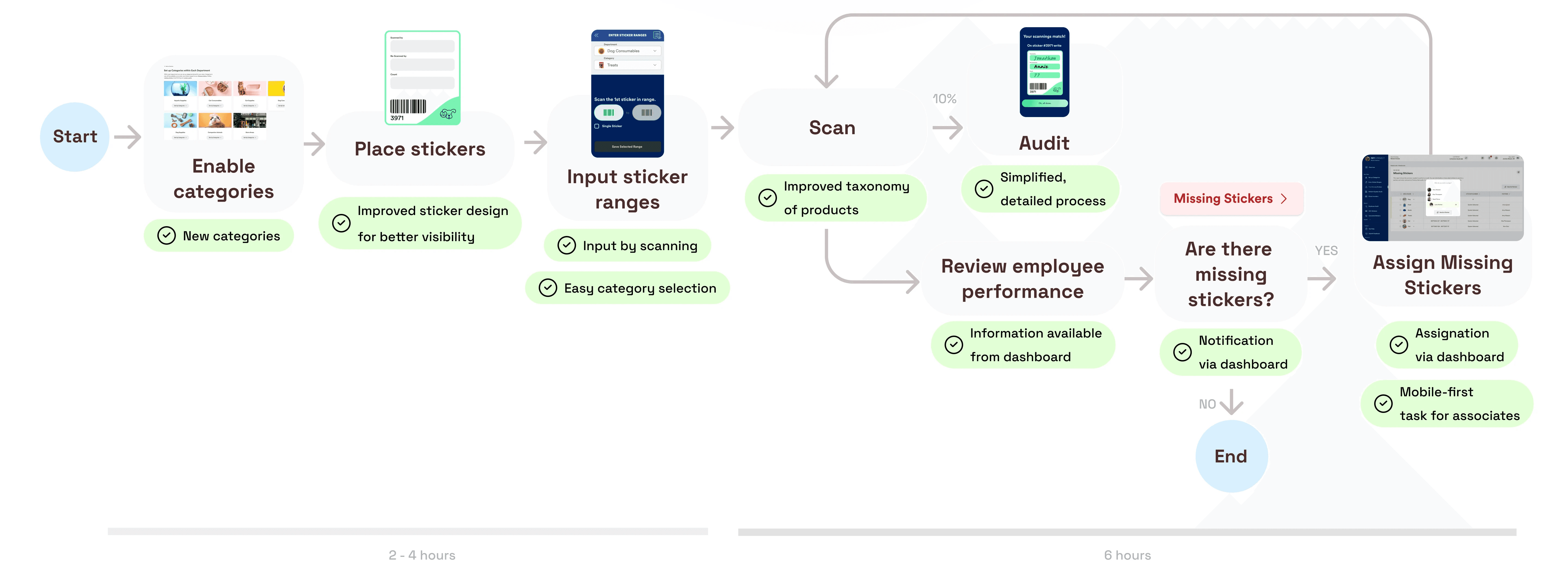

While product design worked on detangling the journey together, my main involvement was on what happens on the place stickers section, audit, review employee performance, and missing stickers
ThreemaintasksIimproved
01
Stickers
02
Reports & Audits
03
Printing
To come up with with ideas that were technically feasible from the get-go, improve design-development translation, and reduce friction, I led team-wide, cross-functional brainstorming sessions for all flows.

03 - Making
WhatIbuilt
Physical stickers
Redesigned fixture stickers with a unique color, larger size, and a hanging format for better visibility, even for tired eyes.
Audits & Reports
We streamlined reports and fields based on research, prioritizing what general managers used and deemed important.
Printing
Designed a guided printing flow, helping users link printers, load the correct paper, and troubleshoot issues.



more clarity
3 labeled fields and no hyphen
error prevention
more space to write, guided by the app
Whatwedidn'tbuild

One of the initial solutions we thought of was to integrate the inventory system within the app associates already use for StoreOps.
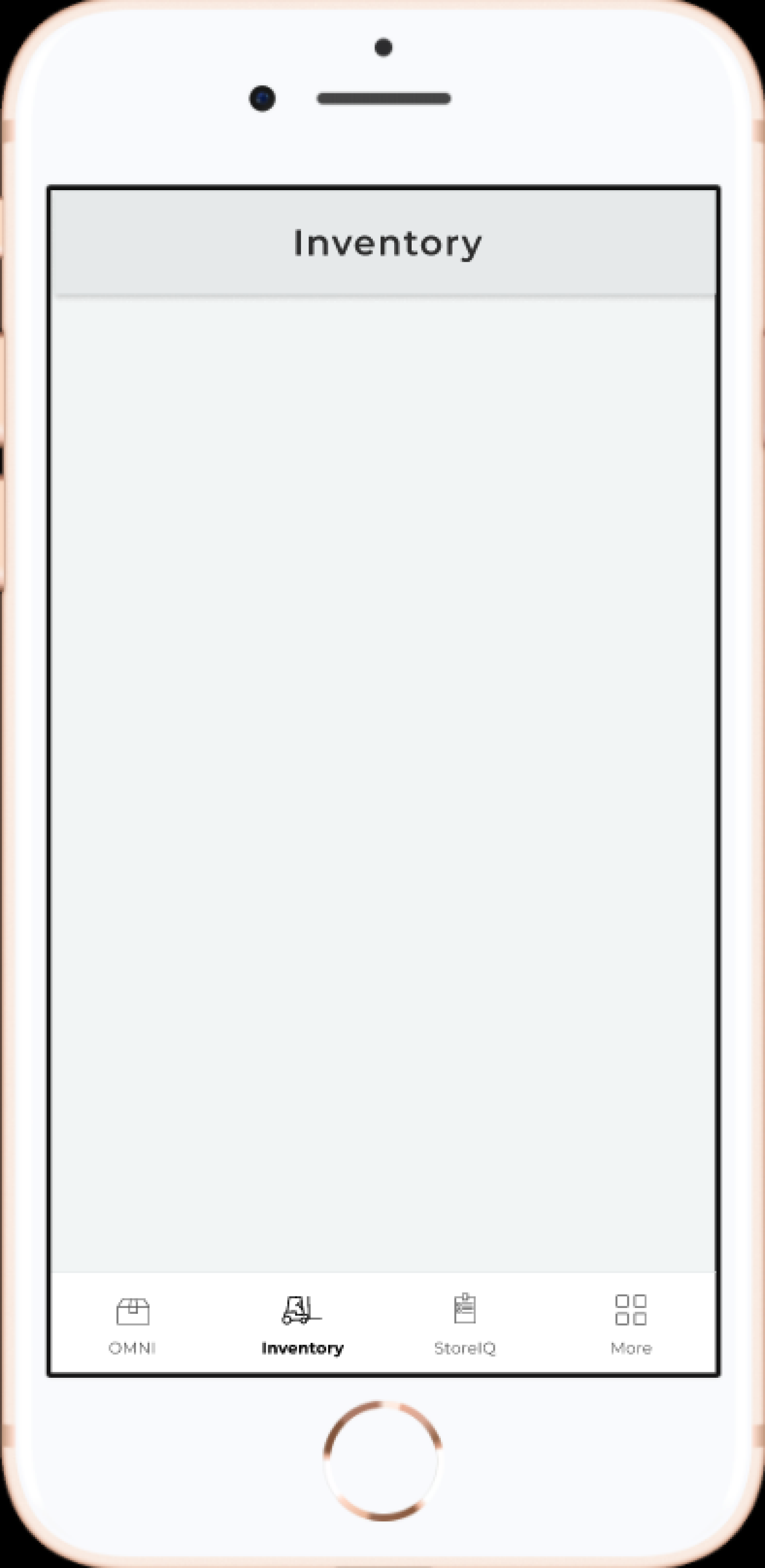
Set Sticker Ranges
Scan Stickers
Find Missing Stickers
Audit Stickers

Trade-offs&risks
What we gained
A system aligned with how partners actually work
High adoption and strong qualitative feedback Reduced operational friction and manual labor
What we gained
What we paid

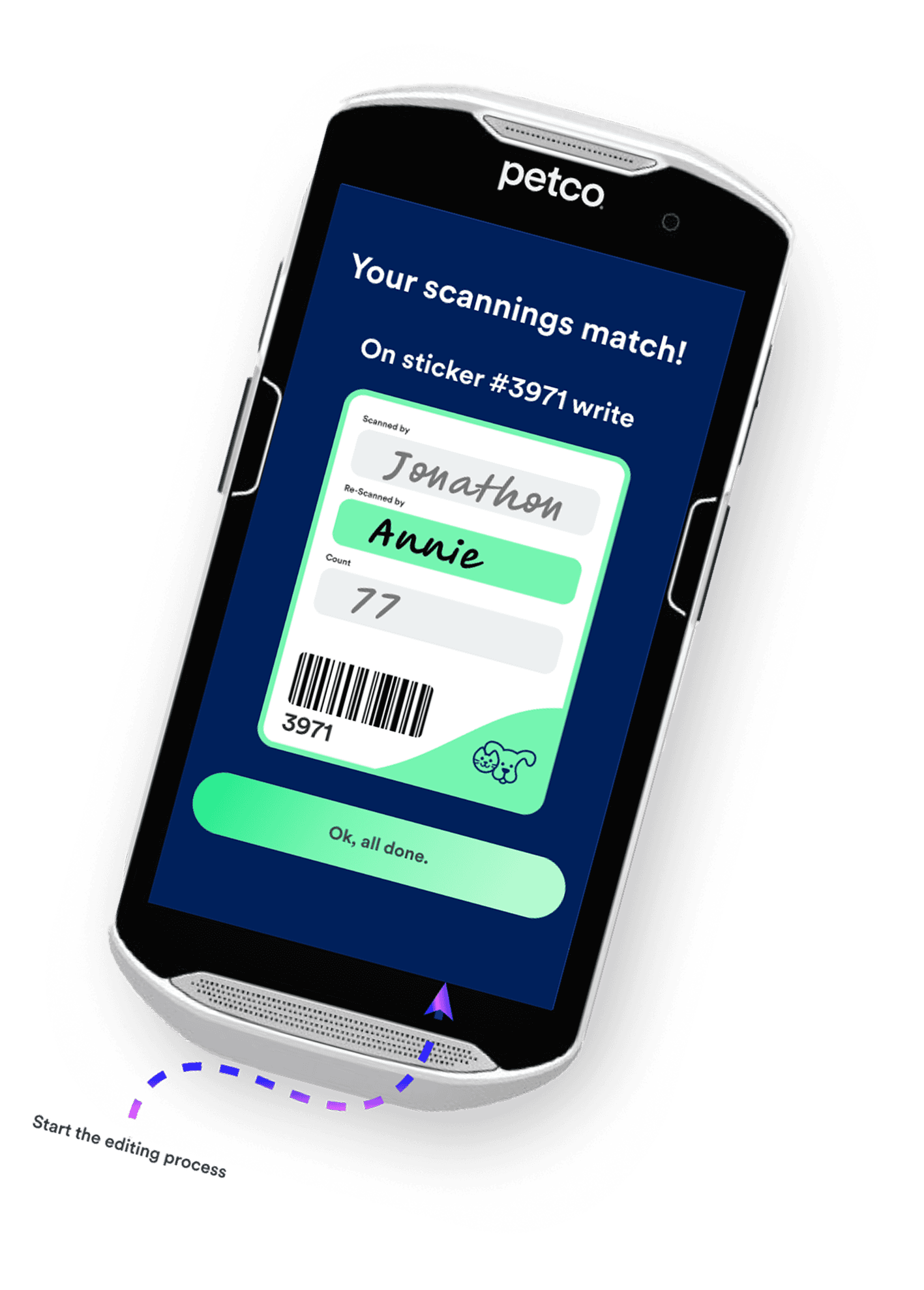
We ended up building a native system for both desktop and mobile devices that mimics the way associates work, giving them more freedom to customize their inventory and spend more time on the sales floor, so they can finish earlier and go home.

0000


Impact
$2.9M
yearly total savings
$2.1M
yearly licensing fees savings
15H+
hours freed for associates
$890K
hourly labor savings
Adoption was extremely high, with partners consistently reporting that the system felt:
Faster
Clearer
More aligned with their real workflows
I really like how easy it is to see the new stickers. Using the handheld to enter sticker ranges made it so much faster! I finished entering sticker ranges in half of my usual time.
"
General Manager
"
The new system saved us a lot of time and frustration during inventory. Having so many more categories made everything more organized, and the new handhelds are way better!
General manager